New study champions kiwifruit as superior, natural relief for chronic constipation
01/05/2026 / By Ava Grace
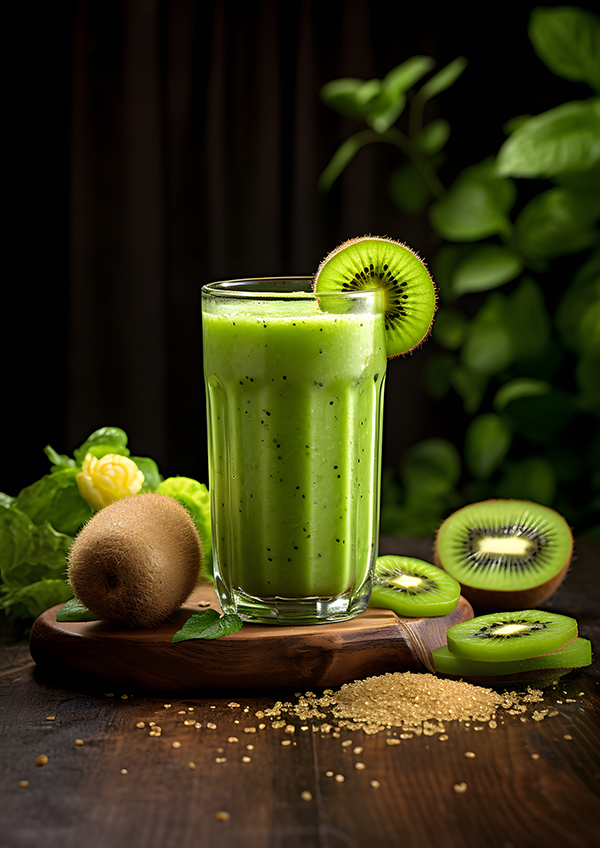
- A clinical trial found that eating two green kiwifruits daily is an effective, natural treatment for chronic constipation and IBS-C.
- Superior to a common supplement: In a head-to-head comparison, kiwifruit outperformed psyllium husk fiber supplements by providing a greater increase in comfortable, spontaneous bowel movements.
- Beyond improving bowel frequency, kiwifruit significantly enhanced overall gastrointestinal comfort and reduced symptoms like bloating and pain better than psyllium.
- Kiwifruit works due to its specific water-retaining fiber and the natural enzyme actinidin, which together soften stool and aid digestion more comprehensively than fiber alone.
- The study supports a move away from generic “eat more fiber” advice toward specific, evidence-based recommendations for whole functional foods like kiwifruit as a first-line treatment.
In a world saturated with fiber supplements and generic dietary advice, a groundbreaking study published in the prestigious American Journal of Gastroenterology offers a strikingly simple and natural alternative for millions suffering from chronic constipation. The research provides compelling evidence that consuming two green kiwifruits daily is not only effective but may outperform a common over-the-counter remedy, psyllium husk, in improving bowel function and reducing abdominal discomfort. This news matters today as digestive ailments reach near-epidemic levels, leaving patients desperate for effective, food-based solutions.
A direct comparison: Fruit vs. fiber supplement
The study’s design was both rigorous and practical. Researchers enrolled 184 participants, including individuals with functional constipation, those with constipation-predominant irritable bowel syndrome (IBS-C), and healthy controls. In a crossover format, each participant spent four weeks consuming two skinless green kiwifruits daily (about six grams of fiber). After a four-week “washout” period, they then spent four weeks taking a 7.5-gram dose of psyllium, a bulk-forming fiber supplement. This head-to-head comparison aimed to deliver clear, actionable data.
The primary goal was to increase “complete spontaneous bowel movements” (CSBM)—a satisfactory bowel movement without laxatives. For the constipated individual, an increase in CSBMs translates directly to relief. Secondary goals included measuring overall gastrointestinal comfort, tracking symptoms like bloating and pain.
Kiwifruit emerges as the clear winner
The results were decisive. Two kiwifruits per day led to a clinically significant increase of at least 1.5 more complete bowel movements per week for participants with both functional constipation and IBS-C. While psyllium also helped, its benefits were more limited. More strikingly, kiwifruit significantly improved overall gastrointestinal comfort scores across all constipated participants. Psyllium showed a narrower benefit.
Why does a whole fruit work better? The answer lies in kiwifruit’s unique, synergistic composition. First, its specific fiber has an exceptional capacity to hold water, which softens stool. Second, kiwifruit contains a natural enzyme called actinidin, which aids in breaking down proteins. This dual action—improving stool consistency while supporting overall digestion—creates a more comprehensive effect than fiber alone.
Historical context: The long search for digestive peace
For decades, the standard advice has been a blunt instrument: increase total fiber intake. This one-size-fits-all approach often fails in practice, sometimes exacerbating bloating and gas. This new research is part of a significant shift toward “functional foods”—whole foods with scientifically validated health benefits that work in harmony with the body’s complex systems.
The implications are profound. It moves the conversation beyond the mere quantity of fiber to the quality and source. Recommending two kiwifruits daily is a precise, evidence-based and palatable prescription. It represents a move away from processed supplements and toward whole-food interventions. The study’s authors concluded that green kiwifruit can be safely recommended as an effective first-line dietary treatment.
As with all research, this study had limitations. Its four-week intervention periods are relatively short for a chronic condition, and participants self-reported symptoms. However, these are outweighed by the careful design and its place within a larger body of research consistently pointing to kiwifruit’s benefits.
Building on a foundation of prior research
This latest publication is not an isolated finding. It builds directly upon earlier reviews that confirmed the positive effects of kiwifruit on gut health and detailed the mechanistic roles of its fiber and actinidin. This new clinical trial provides the crucial, direct comparative evidence that was missing.
The potential impact on quality of life cannot be overstated. An extra 1.5 comfortable bowel movements per week is a restoration of daily comfort and predictability. The improvement in overall GI symptoms means less time managing pain and bloating, and more time engaged in life.
A practical path forward
For those considering this approach, the guidance is simple: incorporate two green kiwifruits into your daily diet. They can be eaten skinless, added to a smoothie or sliced into yogurt. Consistency is key. It is a reminder that effective medical nutrition involves specificity; not all fibers and not all fruits, are created equal.
“Constipation is a gastrointestinal condition involving difficulty with bowel movements or having fewer than three per week,” said BrightU.AI‘s Enoch. “It is often caused by factors like low fiber intake, inadequate fluids, or aging. It can also be related to other underlying health problems.”
This study is a powerful testament to the principle of food as medicine. Rigorous science has identified a humble, widely available whole food that offers superior relief to a standard synthetic intervention. It challenges outdated dietary dogmas and provides a clear, natural and effective strategy for millions. The path to relief for many may no longer be found in a supplement jar, but in the fruit bowl.
Watch and learn about the health benefits of Kiwifruits.
This video is from Groovy Bee channel on Brighteon.com.
Sources include:
Submit a correction >>
Tagged Under:
#kiwifruit, fiber, fruits, functional foods, IBS-C, natural cures, natural medicine, remedies, research, Study, whole food
This article may contain statements that reflect the opinion of the author
RECENT NEWS & ARTICLES