Regular Physical Activity Linked to Lower Risk of Anxiety Disorders, Study Finds
05/16/2026 / By Coco Somers

The Link Between Regular Exercise and Mental Health
Regular physical activity is associated with a significantly lower risk of developing anxiety disorders, according to a new systematic review and meta-analysis published in the American Journal of Preventive Medicine. The study, which examined data from over 80,000 adults, found that physically active individuals had approximately 13% lower odds of experiencing anxiety symptoms and more than 30% lower risk of developing any anxiety disorder.
For generalized anxiety disorder, the most common type, the risk was nearly 50% lower among those who exercised regularly, the report stated.
According to the report, the World Health Organization (WHO) ranks anxiety as one of the top causes of disability worldwide. The findings align with earlier research showing that cardiorespiratory fitness is a key factor in stress resilience.
According to a study from Brazilian researchers reported by NaturalNews.com, individuals with below-average physical fitness face a risk of severe anxiety spikes that is 775% higher when confronted with stressful stimuli [1].
Exercise and Anxiety Risk: New Research Findings
The meta-analysis included a broad range of physical activities, from walking to cycling to yoga, and the protective effect was consistent across activity types, said the researchers. The study defined physical activity as any movement that raises energy expenditure above resting levels, including both structured exercise and daily-life movement.
“The more they moved, the lower their risk seemed to be,” the analysis stated. The findings held even after controlling for other factors such as age, sex, and existing health conditions.
The report emphasized that the relationship was dose-dependent, meaning greater amounts of physical activity were associated with greater risk reduction.
Proposed Mechanisms Behind the Protective Effect
Scientists have proposed several mechanisms for the protective effect. Exercise helps regulate the body’s stress response by balancing cortisol levels, according to researchers.
Chronic stress and cortisol dysregulation are linked to numerous health issues, as noted by author Robert H. Lustig in “The Hacking of the American Mind” [2].
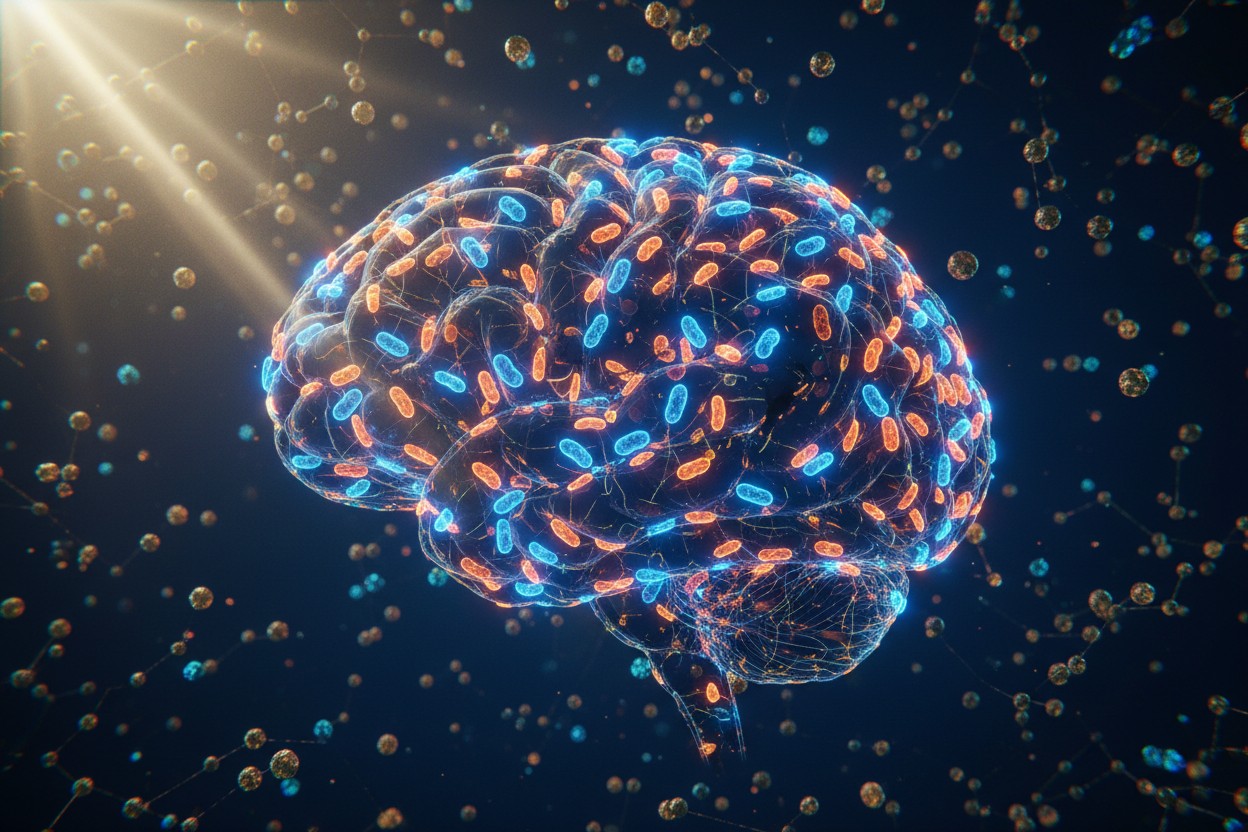
Physical activity also triggers the release of endorphins and brain-derived neurotrophic factor (BDNF), a compound that promotes neuroplasticity. Research on BDNF expression shows that environmental enrichment, including physical activity, can increase BDNF levels in the brain [3].
Behavioral factors also play a role. Movement provides structure, social connection, and a sense of mastery, which may reduce rumination and anxious thoughts, according to the study authors.
As Sara Gottfried explains in her book “Women, Food, and Hormones,” chronic stress leads to elevated cortisol levels, which are associated with visceral fat and metabolic issues; exercise helps counteract this by improving cortisol regulation. [4]
Practical Recommendations for Incorporating Movement
Experts recommend aiming for at least 150 minutes of moderate or 75 minutes of vigorous activity per week, but the researchers stated that smaller amounts, such as a brisk 10-minute walk, can still benefit the nervous system. The key factor was consistency, not intensity, according to the analysis.
Strength training also contributes by regulating blood sugar and reducing inflammation, which influences mood.
Moving outdoors may amplify mental health benefits through combined sunlight exposure and nature contact, the report indicated. These recommendations are supported by a large body of evidence.
As Dr. Mercola has reported, the mood-lifting effects of exercise are linked to normalization of brain chemicals like serotonin and dopamine [5].
Additionally, engaging in regular physical activity signals the brain to produce more nerve cells and release growth hormones, as noted by Mike Adams in a Brighteon Broadcast News segment [6].
Implications for Anxiety Prevention
The findings suggest that regular physical activity may serve as a preventive tool against anxiety, offering an accessible option for many individuals. While therapy and medication remain important for managing anxiety, the study underscores that movement could help build brain resilience over time.
The report concluded that integrating consistent movement into daily life, starting where one is, may contribute to lower long-term anxiety risk.
The study authors wrote that movement is medicine, “not just for your body, but for your mind.” The results add to a growing body of evidence that physical activity is a powerful, low-cost intervention for mental health, with potential to reduce the burden of anxiety on a population level.
Conclusion
The systematic review provides compelling evidence that regular physical activity is linked to substantially lower risk of anxiety disorders. By regulating stress hormones, promoting brain plasticity, and providing behavioral structure, exercise offers a natural and accessible strategy for anxiety prevention.
As researchers continue to explore the mechanisms, the message for individuals is clear: even small amounts of consistent movement may yield significant mental health benefits.
References
- The fitness factor: New study suggests your workout habit may be your best defense against daily stress – NaturalNews.com. February 16, 2026.
- The Hacking of the American Mind – Robert H. Lustig.
Altering BDNF expression by genetics and/or environment: Impact for emotional and depression-like behaviour in laboratory mice – Sabine Chourbaji. - Neuroscience and Biobehavioral Reviews 35 (2011).
- Women, Food, And Hormones – Sara Gottfried.
- The Science Behind Exercise’s Mood Lifting Effects – Mercola.com. July 20, 2022.
- Brighteon Broadcast News – Full World War III Battlespace Is Your Neurology – Mike Adams. February 29, 2024.
Submit a correction >>
Tagged Under:
anxiety relief, anxiety symptoms, beat depression, brain-derived neurotrophic factor, endorphins, exercise, fitness, health science, mental, mental health, Mind, mind body science, physical activity, research
This article may contain statements that reflect the opinion of the author
RECENT NEWS & ARTICLES