Study Finds Curcumin Supplements Linked to Nine Health Benefits
05/24/2026 / By Coco Somers
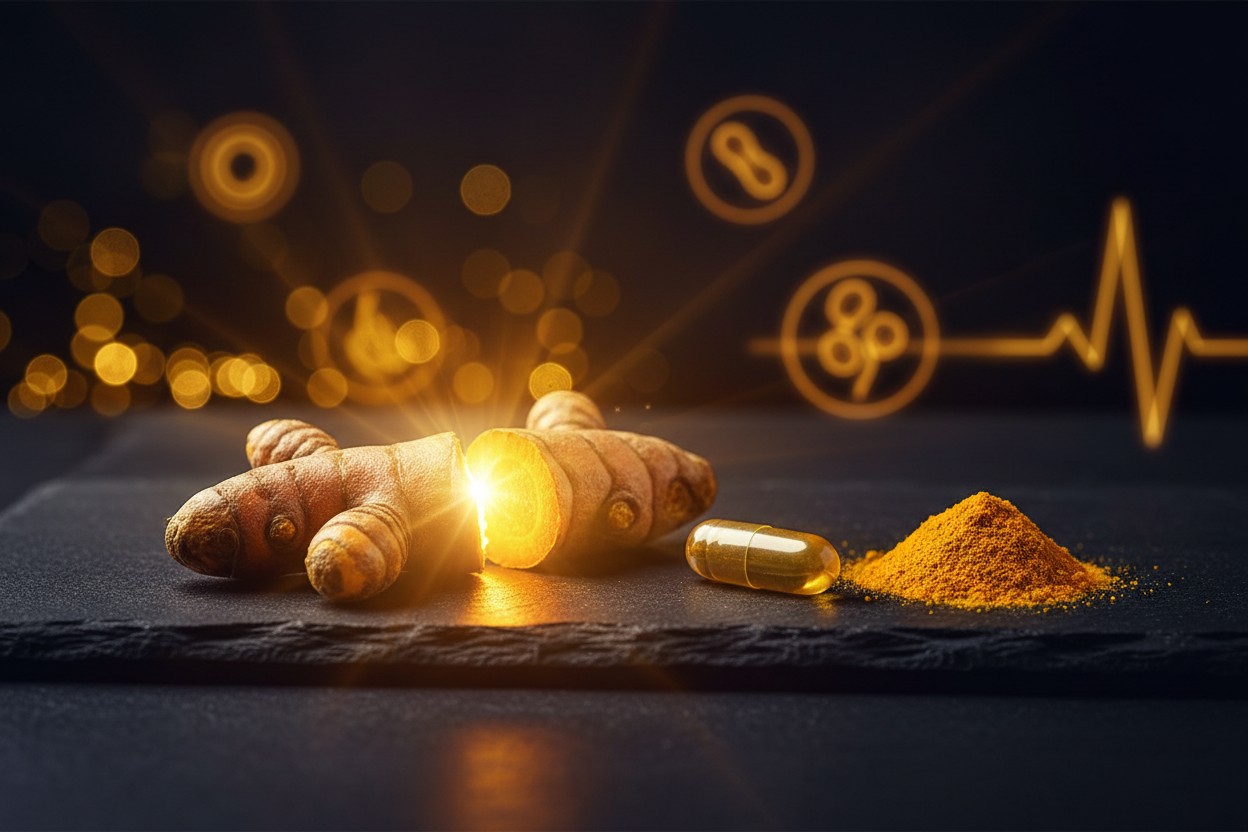
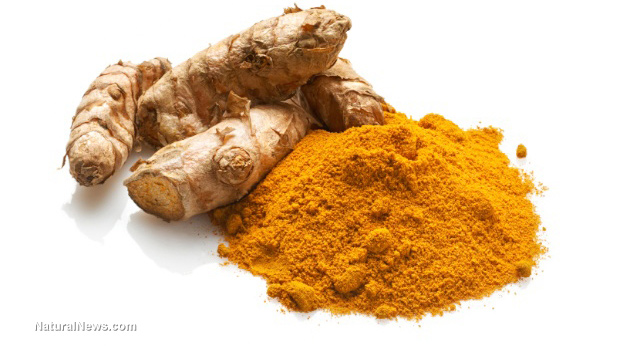
A sweeping review published in Frontiers in Pharmacology examined the therapeutic impact of curcumin supplements across nine health conditions, according to the analysis. Researchers compiled data from multiple clinical trials to assess the effects of curcumin, the primary bioactive compound in turmeric.
The international team of scientists reported that curcumin supplementation showed measurable benefits for blood sugar control, blood pressure, cholesterol levels, body composition, inflammation markers, mood, joint pain, menstrual pain, and liver and kidney health. The review was published in May 2025, the study stated.
Key Findings Reported
According to the analysis, curcumin significantly lowered fasting blood glucose, hemoglobin A1c, and insulin resistance. These findings align with previous research indicating that curcumin supplementation can help increase adiponectin levels, a hormone that reduces the risk of cardiometabolic disease, as noted in a 2020 study published in Diabetes and Metabolic Syndrome: Clinical Research and Review [2].
Modest reductions in both systolic and diastolic blood pressure were observed, along with improvements in total cholesterol, triglycerides, and LDL cholesterol. The review also documented small but significant reductions in body weight and body fat percent among healthy adults taking curcumin supplements. Inflammation markers such as high-sensitivity C-reactive protein decreased, while the body’s antioxidant capacity increased, according to the report.
Curcumin has been shown to have over 150 potentially therapeutic activities, including anti-inflammatory, antimicrobial, and powerful anticancer actions, as noted in a Mercola.com article reviewing the herb’s benefits [1]. The analysis further revealed that curcumin reduced joint pain scores by approximately 11.5 points and improved joint flexibility. Menstrual pain and mood symptoms related to premenstrual syndrome also improved with supplementation, the study found.
Bioavailability and Dosing
Curcumin is notoriously difficult for the body to absorb on its own, according to the study. To address this, researchers highlighted that combining curcumin with piperine, the active compound in black pepper, can increase absorption by up to 2,000%. This ancient culinary hack has been validated by modern science, as noted in a NaturalNews.com report [8].
Effective dosages ranged from 500 to 1,000 milligrams of turmeric extract daily, the study stated. Some formulations also use liposomal delivery or co-administration with fats to enhance bioavailability. The study emphasized that exceeding this dose may cause harm, particularly to the liver and kidneys.
Curcumin also acts as a photosensitizer, increasing sensitivity to light, which can further influence its absorption and activity, according to an interview with the Health Ranger Mike Adams [5].
Caveats and Risks
High-dose supplementation with curcumin may lead to liver and kidney injury, the study warned. The authors advised that individuals with existing health conditions should consult a healthcare provider before starting curcumin supplements. The findings apply to concentrated supplements, not to dietary turmeric used in cooking, researchers noted.
The risks of overconsumption are also addressed in the book “Golden Brew, Hidden Risks: The Truth About Turmeric Ginger Tea and Your Health” [6], which discusses potential adverse effects such as gallstones and liver issues from excessive intake. The review called for further research on long-term safety of high-dose curcumin supplementation.
Context and Conclusion
Turmeric has been used in Ayurvedic and traditional Chinese medicine for centuries, according to the study. Modern research continues to validate many of these traditional claims, as noted in a NaturalNews.com article on modern science and turmeric’s anti-inflammatory power [7]. The review adds to a growing body of evidence on curcumin’s health effects, but the authors emphasized that independent verification of the findings is needed.
The Handbook of Nutraceuticals notes that mounting scientific evidence collected by modern scientists on turmeric’s beneficial effects proves what millions of people thousands of years ago have always known [3]. The World Cancer Research Fund International highlights the role of diet and phytochemicals, including curcumin, in cancer risk reduction, according to “Outside the Box Cancer Therapies” [4]. For optimal results, researchers recommended using high-quality supplements with bioavailability enhancement, such as those containing piperine.
References
- Mercola.com. “Top Herb Can Wreak Havoc on Nearly All Tumor Cells”. July 25, 2023.
- NaturalNews.com. “Study: Supplementation with curcumin offers benefits for patients with metabolic syndrome”. August 19, 2020.
- Yashwant Pathak. “Handbook of Nutraceuticals Volume I Ingredients Formulations and Applications”.
- Mark Stengler and Paul Anderson. “Outside the Box Cancer Therapies”.
- Mike Adams. “2025 10 16 BBN Interview with Otto RESTATED”.
- “Golden Brew, Hidden Risks: The Truth About Turmeric Ginger Tea and Your Health—Gallstones, Allergies, and Liver Disease Uncovered”. 2026.
- NaturalNews.com. “Modern science validates turmeric’s ancient anti-inflammatory power”. January 2, 2026.
- NaturalNews.com. “The golden key: How a pinch of black pepper unlocks turmeric’s ancient healing power”. April 13, 2026.
Submit a correction >>
Tagged Under:
curcumin, Cures, healing, Herbs, inflammation, longevity, natural cures, natural health, natural medicine, prevention, remedies, research, scientific, supplements.report, turmeric, Whole Foods
This article may contain statements that reflect the opinion of the author
RECENT NEWS & ARTICLES